

Iran grants passage to Turkish vessel through the Strait of Hormuz, with 14 more awaiting approval
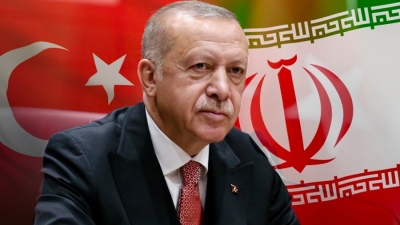
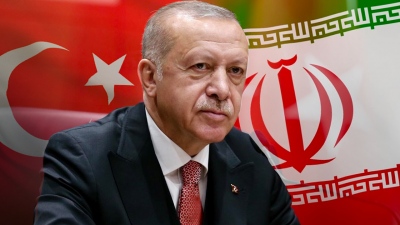
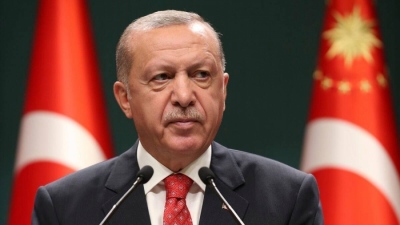
In a silent alliance that grants Turkey a leading role during a highly critical period—and underscores that President Recep Tayyip Erdogan knows exactly how to play diplomatic chess—Ankara has moved forward with Tehran. Specifically, at a time when the Strait of Hormuz remains closed to the West, forcing the US to release Russian oil, Turkey has received the green light. Turkish Transport Minister Abdulkadir Uraloglu announced that a Turkish-owned vessel was granted permission to sail through Hormuz, with fourteen more expected to follow. This occurs even as NATO forces reportedly intercepted a ballistic missile early Friday morning (13/3/2026), the third of its kind, allegedly launched from Iran toward a US military base in Turkey. Iran has maintained that it does not target neighbors or allied nations, but rather US military installations—a claim seemingly confirmed by the selective opening of Hormuz for Turkey.
The "interception" of the ballistic missile
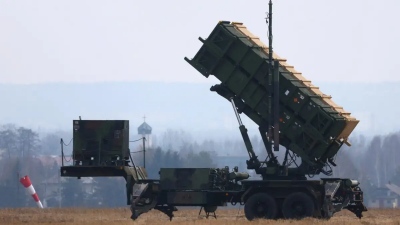
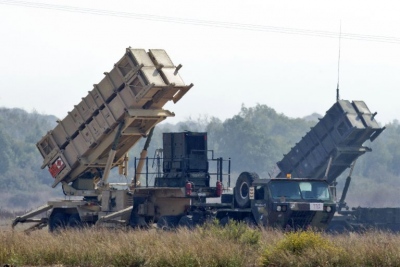
The announcement by the Turkish Ministry of Defense regarding the "decisive interception" of a ballistic missile by NATO forces in the Eastern Mediterranean appears to be more of a carefully choreographed performance for Western audiences. "All necessary measures are being taken decisively and without hesitation against any threat directed at our country's territory and airspace. Consultations are underway with the relevant country to clarify all aspects of the incident," the ministry stated. Subsequently, Iran denied launching any missile toward Turkey.
Hormuz open for Turkey
Moments after the Defense Ministry's announcement, Transport Minister Abdulkadir Uraloglu revealed that a Turkish-owned vessel had been cleared to transit the Strait of Hormuz following Iranian approval. "Fifteen ships [of Turkish interest] were there. We received permission from Iranian authorities for one of them, which had utilized an Iranian port, and it passed through," Uraloglu added. According to the minister, Turkey has issued its highest security alert for the Strait and continues diplomatic contacts with Iranian officials regarding the status of the remaining 14 Turkish vessels awaiting approval. Consequently, Erdogan is using NATO as a shield and Iran as a lever of pressure, achieving what no other regional leader has managed: remaining in the Western camp while simultaneously closing deals that no one else in the West can.
US admission of failure: We cannot escort tankers
In a 180-degree turn, the US is shifting its stance as Iran maintains full control over the Strait of Hormuz. The US Navy is not prepared to escort oil tankers through the Strait, stated Secretary of Energy Chris Wright in an interview with CNBC. "It will happen relatively soon, but it cannot happen now," he remarked, adding: "We are simply not ready. All our military assets are currently focused on destroying Iran's offensive capabilities and the manufacturing industry that supplies them."
However, since the beginning of the week, Reuters has been reporting that "the United States Navy, since the onset of the war against Iran, has been rejecting daily requests from the shipping industry for military escorts through the Strait of Hormuz." The Navy reportedly states that the risk of attack is currently too high and there is no capacity to provide protection. This assessment by the US Navy contradicts public statements by President Donald Trump, who previously claimed that Washington was ready, whenever necessary, to provide naval escorts to resume normal transit through this vital waterway.
www.bankingnews.gr



Σχόλια αναγνωστών